Rust farming at scale shows how a solo player turned 126,000 cloth into a 20,000,000 cloth wipe goal
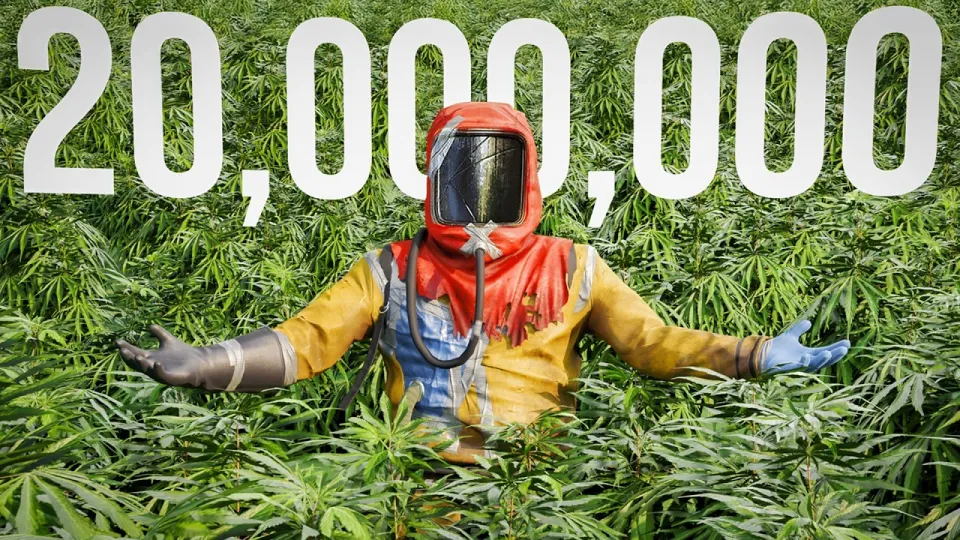
Video: I Became Rust's #1 Farmer...
Need articles like this for your video? They help promote it on YouTube and Google — order them in the Telegram bot @sat_sit_bot. The bot writes and publishes the articles itself (with your YouTube video embedded) on popular topical websites (no ads). Your first 50 articles are free.
· based on the channel JTeles
Key takeaways
- The challenge started with 126,000 cloth and a target of 20,000,000 cloth within a single wipe.
- The goal had a 7-day window, with viewers invited onto the server to help farm and defend.
- A large Russian clan found out about the project and attacked the farm with PvP, raids and base defense fights.
- The finished cloth compound was large enough that looking at it lagged the server.
- Clan members kept defending the base while the main player was offline.
Rust farming at this scale is a logistics problem, not a shooting problem: JTeles set out to turn 126,000 starting cloth into 20,000,000 cloth in a single wipe, a 7-day push that required the biggest cloth farm built on the server, a recruited crew of viewers, and a defense plan against a clan that wanted the project dead. The attempt is documented in the JTeles video, and anyone who wants to try something similar can start by grabbing the free War Thunder bonus via the video sponsor link while planning their own farm layout.
What the 20,000,000 cloth challenge actually involved
Cloth in Rust is a bulk resource with a low value per unit, which is exactly why a 20-million target is absurd: it cannot be bought at scale, so it has to be produced. The run began with 126,000 cloth already in hand and a fixed deadline of seven days before wipe, meaning every hour of downtime cost progress that could not be recovered. The plan relied on three things: a dedicated farm footprint, a labor force, and enough defense to keep both alive.
- Starting capital: 126,000 cloth.
- Target: 20,000,000 cloth before the wipe ends.
- Time limit: 7 days.
- Manpower: viewers invited onto the server to plant, harvest and defend.
- Threat model: a rival clan that learned about the goal and actively tried to stop it.
Building the biggest cloth farm in Rust
The farm itself was the centerpiece, and its scale created problems that normal bases never face. A cloth operation at this size means rows of planters, constant harvesting and replanting, and a compound large enough to protect the whole footprint. According to the video's own account, the finished build was so big that simply looking at it caused server lag, a side effect that turns a farming project into a performance issue for everyone on the map.
Practical takeaways for players attempting a large farm:
- Plan the planter count first. Cloth output scales with planters and cycles, so decide the row count before you place a single foundation.
- Keep the farm compact. Spreading planters across a wide area multiplies the wall and door cost and makes defense harder.
- Automate the loop. Harvesting and replanting by hand is the bottleneck; the larger the farm, the more the labor has to be split between players.
- Expect lag. A dense, fully planted farm is heavy on the server; a compound of this size drew attention for exactly that reason.
Defending a farm against a clan that wants it gone
A farm this visible becomes a target, and the video's central conflict is a large Russian clan deciding to shut the project down. That turned a farming run into a mix of PvP, raids, base defense and alliances, with fights over the compound rather than over monuments. The pattern is familiar to anyone who has run a big operation in Rust: the more value you concentrate in one place, the more of your playtime goes into holding it.
What made the run survivable was the crew. Viewers who joined the server did the unglamorous work, including holding the base while the main player was offline and asleep, which is the part of large-scale Rust that rarely makes it into clips. Alliances on the server also shifted the balance, since a farm of this size can trade resources for protection.
Typical questions from viewers about the run
A few recurring doubts came up around the attempt. First, whether a 20-million cloth goal is even realistic in one wipe: it is, but only with a large crew and near-constant uptime, because the limiting factor is harvest cycles rather than combat skill. Second, how the farm avoided being wiped overnight: it did not avoid it automatically, it was defended by clan members during offline hours. Third, whether the compound's size was a mistake: the lag it caused was a real cost, but the footprint was the point of the challenge. Fourth, how long the grind actually felt: the run compressed days of repetitive farming into a single video, and the main player noted going outside for the first time since wipe started.
What this run says about large-scale Rust farming
A 20,000,000 cloth target is not a test of aim, it is a test of organization. The run shows that the real constraints on a mega-farm are labor, uptime and defense, and that a server will react to a project that becomes too big to ignore. It also shows the value of a crew: the players who replant, haul and hold walls while the owner sleeps are the reason the number keeps climbing. For solo players, the lesson is to scale ambition to the number of hands available, and to treat visibility as a risk rather than a flex. The full breakdown of how the 126,000 cloth start turned into a server-wide conflict is on the JTeles channel.
Links from the video
- Free War Thunder bonus for PC and consoles
- War Thunder mobile bonus
- JTeles Discord
- JTeles on Twitter/X
- JTeles on TikTok
Final thoughts
The 126,000 to 20,000,000 cloth run is a useful case study in how far preparation and manpower can push a single wipe in Rust. It also shows the cost of that ambition: constant defense, offline coverage, and a compound big enough to strain the server. If you want to follow the full story, including the fights against the clan trying to stop the farm, watch the breakdown by JTeles, and if you play War Thunder as well, claim the sponsor bonus through this link.
Questions & answers
How much cloth do you need to become Rust's top farmer?
In this run the target was 20,000,000 cloth within a single wipe, starting from 126,000 cloth already collected. The number is far beyond normal farming because cloth is a bulk resource that has to be produced rather than bought. Reaching it required a large planter farm, a crew of helpers and seven days of near-constant uptime.
Can one player realistically farm 20 million cloth in a single wipe?
Not alone in practice. The limiting factor is harvest and replant cycles, so the work has to be split across many players who plant, harvest and haul. The run relied on viewers joining the server to keep the farm running around the clock, including while the main player was offline.
Why did a clan attack the cloth farm?
A farm of that size is impossible to hide and concentrates a lot of value in one compound, which makes it a natural target. In the video a large Russian clan learned about the goal and tried to stop the project through PvP, raids and attacks on the base. Defending it turned the farming run into a server-wide conflict with alliances shifting the balance.
What are the main risks of building a huge farm base in Rust?
The biggest risks are visibility, defense and performance. A large compound draws raids, needs players online to hold walls during offline hours, and can be heavy enough on the server that looking at it causes lag. Planning a compact layout and lining up allies before you scale up reduces all three problems.
Source: I Became Rust's #1 Farmer... · Markdown version